Basement Waterproofing Today is a no-cost referral service for homeowners, landlords and property managers dealing with water where it doesn't belong. We are not a contracting company, and we don't send out crews of our own. What we do is answer the phone at any hour and connect you with an independent, licensed and insured waterproofing professional who already works throughout Washington County.
That difference matters more than it sounds. When a basement floods at 3 a.m., most people grab their phone, search, and start working down a list of numbers. Half of them go to voicemail. The rest are answering services that promise a callback after the weekend. We set this line up to end that scramble. You tell the person on the phone what you're looking at, whether that's standing water, a damp block wall, a crack that weeps after every storm or a sump pump that went quiet, and we route the call to a local contractor who handles exactly that kind of problem.
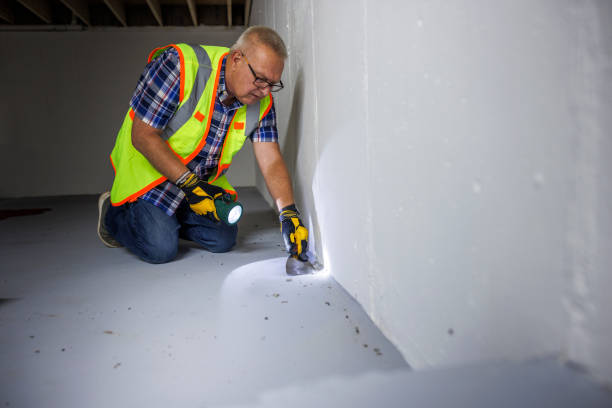
The people behind Basement Waterproofing Today have spent years on the phone with basement owners. We've heard every version of the story: the finished rec room with carpet that squishes underfoot, the hairline crack that turned into a stair-step crack over two winters, the brand-new house where the yard slopes toward the foundation instead of away from it. That background shapes how we handle every call. We ask where the water shows up, when it shows up and whether it seeps, trickles or pours, because those answers tell a contractor whether they're facing hydrostatic pressure, a failed cove joint, a clogged footing drain or a plumbing leak dressed up as a waterproofing problem.
Local, independent and accountable
Every contractor we route calls to runs their own business. They hold their own licenses where the state or local jurisdiction requires them, carry their own insurance and write their own warranty terms. Before anyone starts digging, drilling or cutting a trench in your floor, ask to see proof of license and insurance. A legitimate contractor won't hesitate for a second, and asking is smart, not rude.
No two basements in Washington County leak for exactly the same reason. Clay-heavy soil swells and pushes on walls. Sandy soil drains fast but lets the water table rise right up against the footing. Older homes often have block foundations with hollow cores that fill with water, while newer poured walls tend to crack at window corners and tie-rod holes. The contractors we connect you with see these patterns daily, which is why their first visit is about diagnosis, not a sales pitch.
Water doesn't keep business hours, so neither does our phone line. Snowmelt, the first heavy rain after a dry spell and long soaking storms are when calls spike. Whether you need someone out tonight to pump out standing water or you're planning a full exterior membrane job for next month, the first step is the same: call +1-866-476-1348 and talk to a real person.
Where basement water actually comes from
Before anyone quotes a fix, it helps to know which kind of water you're dealing with. The first and most common is hydrostatic pressure. When the soil around your foundation fills with water after a long rain, that water pushes on the walls and up on the slab with real force, and it finds every crack, tie-rod hole and gap at the cove joint where the wall meets the floor.
The second is surface runoff: roof water dumped by short downspouts, patios that pitch toward the house and window wells with no drain. It's the cheapest problem to solve and the one people overlook most. Third is capillary action, where concrete and block wick moisture up and through the wall like a sponge, leaving white efflorescence behind. Fourth is condensation, when humid summer air hits cool basement walls, which can look exactly like a leak but needs a dehumidifier, not a drain system. The fifth is plumbing: supply lines, water heaters and floor drains backing up from the sewer.
A good contractor figures out which of these is happening before talking about solutions. Sometimes the answer is a forty-dollar downspout extension. Sometimes it's a full perimeter system. Either way, you deserve to know why.