01
Licensed & Insured Independent Pros
Calls go to independent contractors carrying insurance and licensing where required, many of whom also handle structural joist and support repairs.
If your Cordele crawl space is damp, moldy or holding water, one call connects you with a licensed, insured independent pro who handles drainage, vapor barriers and full encapsulation.
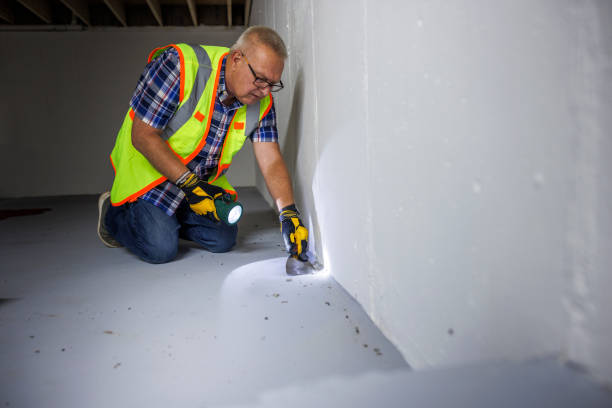
You may never go down there, but the air from your crawl space ends up in your living room. As warm air rises through a house, it pulls air up from below. If the crawl space is damp, that air carries moisture, mold spores and musty odors into the rooms above. It's why a house can smell stale even when the living areas are spotless.
Damp crawl spaces slowly damage the framing. Wood floor joists and subfloors that stay damp grow mold and eventually rot. Floors start to feel soft or bouncy. Hardwood upstairs cups and gaps as it absorbs moisture from below. Insulation between the joists soaks up water, sags and falls. And damp, dark crawl spaces attract termites, carpenter ants and rodents.
The old approach was to vent the crawl space to outside air. In humid weather, though, those vents bring in moist air that condenses on cool surfaces underneath. The contractors we connect you with in Cordele focus on keeping water out, sealing the space and controlling humidity.

Many homeowners are surprised that crawl spaces get wettest in summer, not during the rainy season. Warm, humid outside air flows in through the foundation vents. When it reaches the cooler soil, framing and ductwork under the house, it cools down and the moisture condenses, just like water beading on a cold glass.
The signs are easy to spot once you know them. Ductwork sweats and drips onto insulation. Joists and subfloor absorb moisture and reach levels where mold grows. Fiberglass batts get heavy and fall. Upstairs, hardwood floors cup at the edges as the boards take on moisture from below.
This is the reason encapsulation has largely replaced venting. With vents closed, a liner covering the ground and walls, and a dehumidifier holding humidity steady, there's no warm, wet air coming in to condense. The crawl space behaves like part of the house instead of part of the yard.
A contractor can confirm what's happening with a few simple measurements. Wood moisture readings on the joists and a humidity logger left for a few days show whether the problem is ground moisture, condensation, liquid water or a combination, and that shapes the right plan.

Crawl space work is tight, dirty and detail-heavy, so experience counts.
Calls go to independent contractors carrying insurance and licensing where required, many of whom also handle structural joist and support repairs.
Encapsulation is quoted by square footage and liner thickness, with drainage, dehumidifier and any repairs listed separately in writing.
Contractors in Cordele can usually inspect within a few days, sooner if there's standing water or visible structural damage.
Wood moisture meters, humidity loggers, heavy reinforced liners and dehumidifiers built for crawl spaces.
Every crawl space gets a mix of drainage, sealing and humidity control.
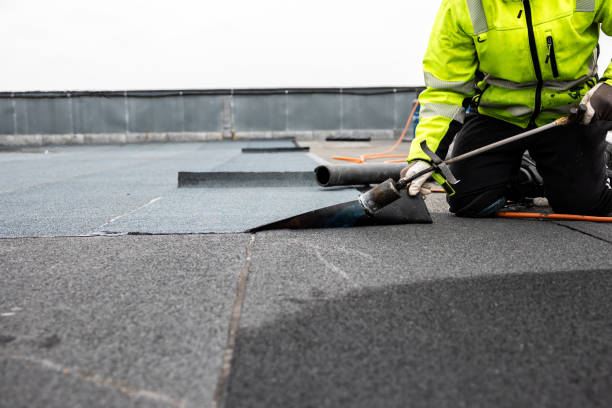
Standing water gets a drain line to a sump pump before anything else, since no liner should go over a puddle.
A thick plastic barrier over the dirt floor, with taped seams, blocks moisture from rising out of the ground.
The liner runs up the walls and around piers, vents are sealed, and the crawl space becomes a clean, sealed part of the house.
A crawl space-rated dehumidifier holds humidity steady and drains automatically, so the space stays dry year-round.
Vents are blocked, rim joists are sealed and the access door is upgraded to keep outside air out.
Moldy wood is treated, soggy insulation comes out and weak joists or supports are repaired before the space is sealed.
Crawl space work is priced mostly by square footage and by how far the job goes. A simple vapor barrier over the soil is the starting point. Full encapsulation, with a thicker reinforced liner running up the walls, sealed vents and an insulated rim joist, costs more but performs far better. Clearance matters too. A crawl space with a few feet of headroom is much faster to work in than one with eighteen inches and lots of ductwork in the way.
Standing water adds drainage and a sump pump to the scope. A crawl space dehumidifier is usually a separate line. Repairs often make the biggest difference between quotes: treating mold, removing wet insulation, sistering damaged joists or adding support posts under sagging beams. Ask the contractor to separate those items so you can see what's needed now and what can wait, and ask for photos of each problem area so you can see it for yourself.
It helps to think of crawl space work as a sequence rather than a single product. Liquid water gets handled first with drainage and a sump. Damaged wood and wet insulation come out or get repaired next. Then the liner, sealed vents and dehumidifier lock in the result. A contractor who follows that order, and explains why, is far more likely to leave you with a crawl space that stays dry for years instead of one that looks clean but traps moisture under the plastic.
Here's what happens after you call.
Call +1-866-476-1348 and describe what you've noticed: smells, soft floors, standing water or pests.
A local independent contractor schedules an inspection, often within a few days.
The contractor crawls the space, measures humidity and wood moisture, checks for water, mold and structural damage, and gives you a written quote with photos.
After the work, you'll see before-and-after photos and humidity readings, plus the written warranty.
One call connects you with a local independent pro who drains, seals and dries crawl spaces.
Call +1-866-476-1348The whole house smelled like a basement even though we don't have one. They encapsulated the crawl space, sealed the vents and added a dehumidifier. The smell was gone in about a week.
Patricia W., Cordele
Soft kitchen floor turned out to be rotted joists. They repaired them and encapsulated the crawl space.
Henry J., Cordele
Water stood under the house after every heavy rain. They put in a drain and a sump before the liner went down. Dry ever since.
Monica E., Cordele
He sent me photos of everything since I can't fit under there. Clear quote, clean job and our hardwood stopped cupping.
Derek T., Cordele
A barrier is just the floor liner. Encapsulation seals the floor, walls and piers with a heavier liner, closes the vents and adds humidity control, creating a sealed, dry space.
Basic vapor barriers are often around 6 mil, while encapsulation liners commonly run from about 10 to 20 mil and are reinforced. Thicker liners resist tears from foot traffic and service work.
In humid climates, open vents often bring in more moisture than they remove. Building codes and local conditions vary, so ask your contractor what's appropriate for your home.
For a fully encapsulated crawl space, a dehumidifier is usually part of the system. It keeps humidity steady through summer, when the risk of mold is highest.
It often helps, since sealed spaces mean warmer floors and less humid air upstairs. Savings vary by home and climate.
Most projects take one to three days, depending on size, clearance, drainage needs and any structural repairs. Mold treatment or joist repairs can add time.
We connect homeowners throughout Cordele and nearby communities with independent crawl space waterproofing contractors who work in tight spaces every day. Homes on crawl spaces, pier-and-beam foundations and mixed basement-crawl layouts are all covered.
Local pros know how Cordele homes were built, from older vented crawl spaces to newer sealed ones, and plan each job around that.
Check the area list below or call to ask.